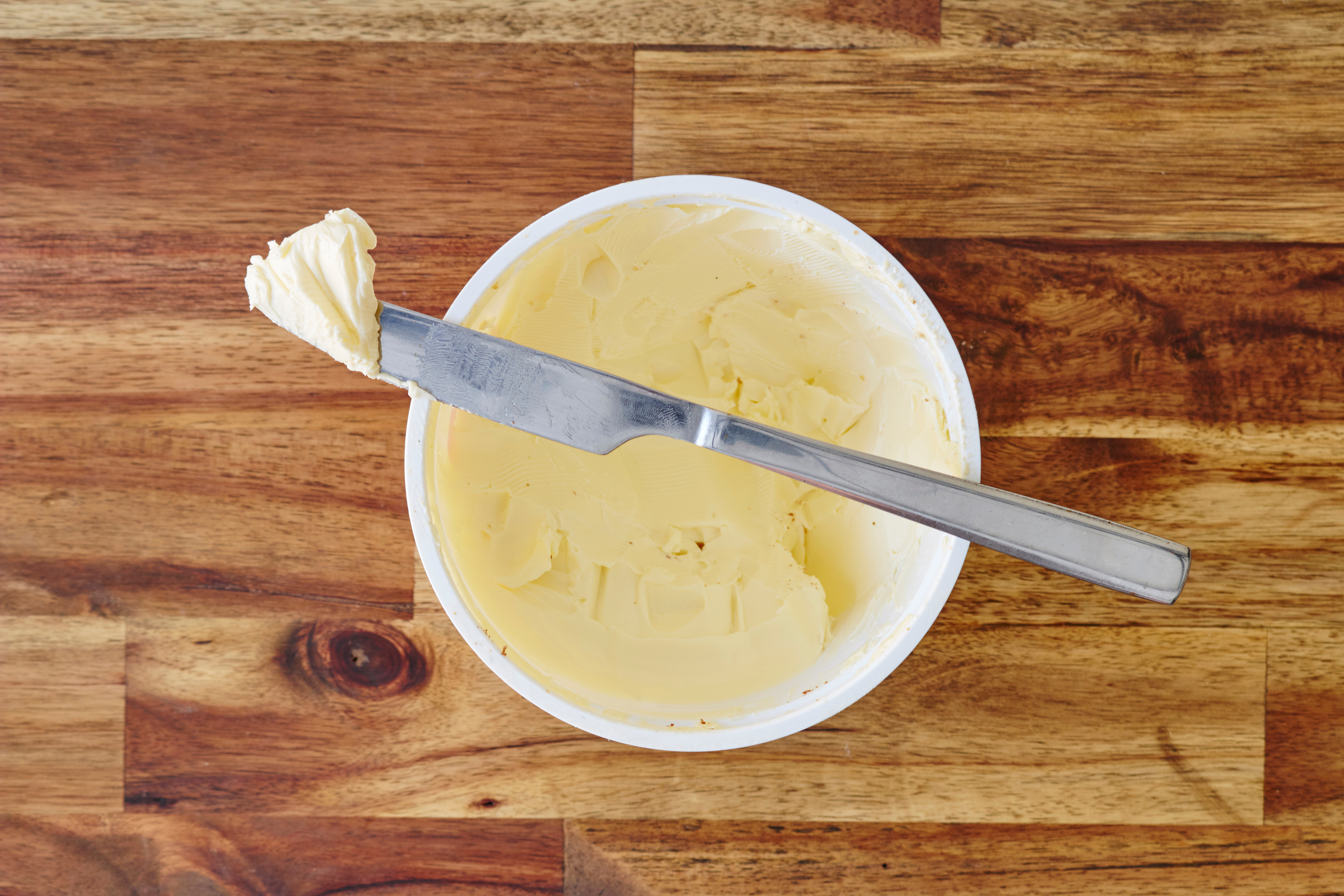


Unveiling the Truth: Unsaturated Fats in Margarine
If you're curious about how unsaturated fats in margarine can positively impact your health, you're in for a treat. Learn about the transformative...

2 min read
OneShare Health
:
10:58 AM on September 6, 2024
Ah, the age-old debate: margarine or butter? It’s a question that’s been sizzling in kitchens for decades, with opinions flipping more often than a pancake on a Saturday morning. What was once deemed the healthier option has been challenged, re-evaluated, and redefined time and again. So, where do we stand in 2024? Let’s dive into the buttery (or margarine-y) details.
Back in the day, butter was the king of the kitchen until margarine strutted in, claiming to be the heart-healthy alternative. This shift wasn’t just a culinary preference; it was fueled by studies and marketing campaigns that painted margarine as the savior of our arteries.
In the 1960s and 1970s, butter was villainized due to its saturated fat content, which was linked to heart disease. Margarine, made from vegetable oils, was promoted as the healthier alternative because it was lower in saturated fats and contained heart-friendly polyunsaturated fats. Margarine’s rise to fame was bolstered by some clever marketing—who could forget those commercials touting margarine as the key to a long, healthy life?
But just when we thought we had it all figured out, new research began to surface. Studies started questioning the benefits of trans fats, which were prevalent in many margarines. Suddenly, margarine was no longer the golden child, and butter began making its comeback as the more “natural” choice.
Fast forward to today, and the butter vs. margarine debate is still going strong. The experts have had their say, and the general consensus in 2024 is... well, it depends.
Butter: On one hand, butter has been redeemed in many circles. It’s praised for being a natural product, especially when sourced from grass-fed cows, which provides a good dose of vitamin K2 and omega-3 fatty acids. However, it’s still high in saturated fat, so moderation is key.
Margarine: Modern margarines have come a long way since the trans-fat-laden spreads of the past. Many of today’s margarines are made with healthier oils like olive or avocado oil and are fortified with vitamins. Some are even free of trans fats entirely. However, margarine is still a processed product, and some people prefer to avoid it for that reason.
Recent studies suggest that when choosing between butter and margarine, it’s not about picking one over the other, but rather finding the best quality of each. Look for butter that is organic and from grass-fed cows, and if you opt for margarine, choose one that is non-hydrogenated and made from healthier oils.
In the end, the butter vs. margarine debate in 2024 is less about picking sides and more about making informed choices. Both can have a place in a balanced diet when consumed wisely. So, whether you’re spreading butter on your morning toast or using margarine in your favorite baking recipe, the key is to enjoy it in moderation.
And if you’re looking for more ways to make healthy choices, don’t forget to check out our article on healthy school lunch ideas. Because, after all, the best choice is the one that keeps you and your family happy and healthy.
Join thousands of families saving up to 50% or more with OneShare Health. Get your free personalized quote in seconds.
If you're curious about how unsaturated fats in margarine can positively impact your health, you're in for a treat. Learn about the transformative...
Let's go over healthy food basics that every kitchen should have to be considered well-equipped for a healthy diet. Of course, everyone has their...
Adding berries to your diet is a great way to get healthy and eat delicious food at the same time. They're low in calories and high in nutrients,...