

Mornings can be busy. Between getting out the door, juggling work, family, and everything in between, breakfast often turns into whatever’s fastest. For many of us, that means pouring a bowl of cereal, adding milk, and calling it a win.
But have you ever paused and wondered if your go-to breakfast cereal is actually helping you start the day well?
Let’s take a gentle look at what might be hiding in that colorful box.
Is Cereal a Good Breakfast?
Not All Cereals Are Created Equal
At first glance, cereal can seem like a smart choice for eating healthy. It’s quick, filling, and often labeled with words like “whole grain” or “fortified.” But when you flip the box around, the ingredient list can tell a very different story.
Many popular cereals contain added sugars that can lead to quick energy spikes followed by mid-morning crashes. Others rely heavily on highly processed ingredients that don’t offer much real nourishment. Some even include artificial colors or flavors that look appealing but don’t do much to support your overall wellness.
That doesn’t mean cereal is always a bad choice. It simply means it’s worth being a little more mindful about which ones earn a place in your pantry.
Understanding Breakfast Cereal Nutrition Facts
A Simple Label Check Can Make a Difference
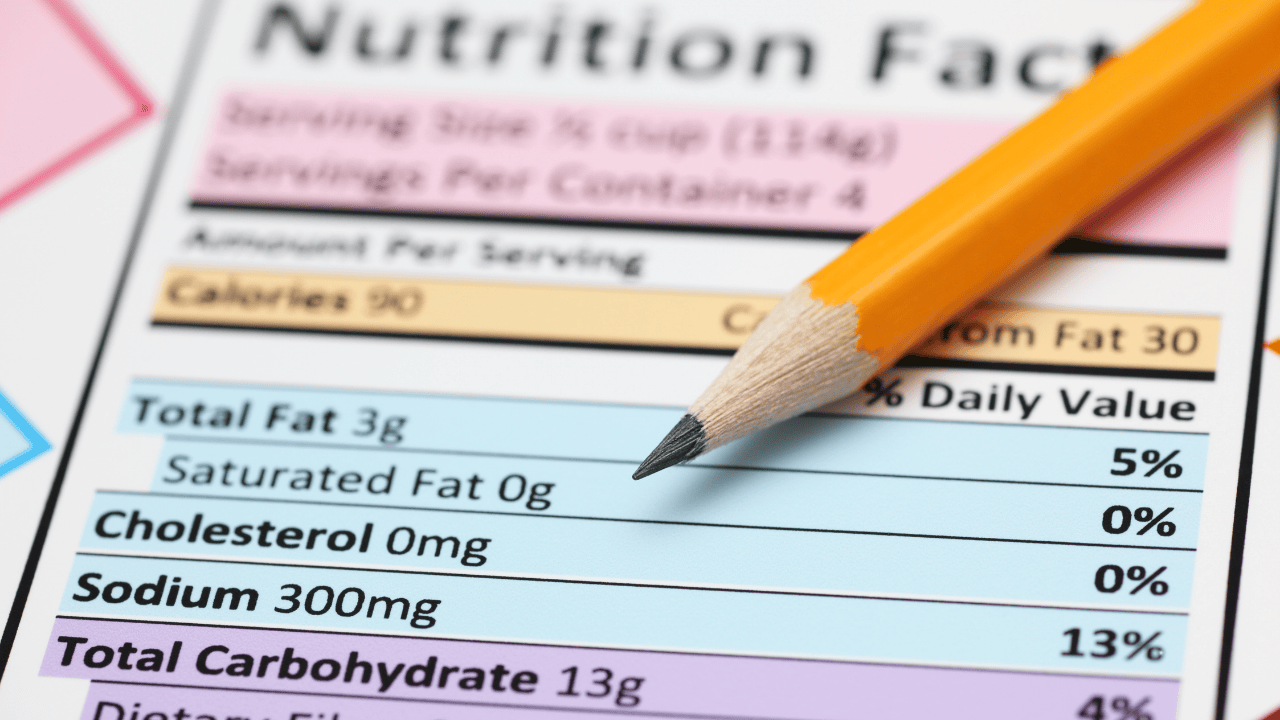
You don’t need to be a nutrition expert to make better breakfast decisions. Taking a moment to glance at the nutrition label can be surprisingly helpful. Sugar content, fiber levels, and portion sizes all play a role in how your body responds to what you eat.
Sometimes what’s pictured on the front of the box doesn’t quite match what ends up in your bowl. A quick label check can help you choose options that support steadier energy and help you feel satisfied longer.
What Should You Look for on a Breakfast Cereal Food Label?
Once you flip the box over, a few key numbers can quickly tell you whether a cereal will fuel your morning well — or leave you feeling sluggish before lunch. Instead of getting lost in every detail, focus on the handful of metrics that tend to make the biggest difference.
Here are a few simple guidelines to check when choosing the right healthy cereal for your family:
-
Added sugar: Aim for 6 grams or less per serving. That’s about 1½ teaspoons of sugar. On the label, try to keep it around 5% Daily Value or lower. Once you see 10–12 grams (closer to 20–25% Daily Value), you’re moving into dessert territory.
-
Fiber: Look for at least 3 grams per serving, with 5 grams being even better. A good goal is 10–20% of your Daily Value. Fiber helps slow digestion, support heart health, and keep you feeling full longer.
-
Sodium: Try to choose cereals with under 140 mg per serving. On the label, that’s about 5–6% Daily Value, which is considered low. If you’re seeing 15–20% Daily Value, that’s on the higher side for a breakfast food.
-
Protein: While cereal isn’t always high in protein, 4–5 grams per serving can help improve staying power. Pairing your cereal with milk or Greek yogurt can boost this even more.
Numbers matter, but ingredients tell the fuller story. Ideally, the first ingredient should be a whole grain, such as whole grain oats or whole wheat. If sugar appears in the first few ingredients — or if you see multiple sweeteners like corn syrup, dextrose, or brown rice syrup — the cereal is likely more processed than it appears on the front of the box. Artificial colors and long ingredient lists can also be signs that simplicity has been traded for shelf appeal.
A quick scan of both the Nutrition Facts panel and the ingredient list can help you choose options that truly support your morning — not just fill a bowl.

What Are Healthy Cereals for Breakfast?
Grab your coupons and head to the store - let's find some healthier options to throw in the cart.
Now that you know what to look for on the label, the next question becomes simple: which cereals actually meet those guidelines?
Here are several solid options that are widely available in U.S. grocery stores and align well with the lower-sugar, higher-fiber approach we just covered.
Old-Fashioned Oatmeal (such as Quaker Oats)
Plain rolled oats contain no added sugar and about 4 grams of fiber per serving. Because they’re minimally processed, they’re one of the simplest and most customizable breakfast choices. You control the sweetness by adding fruit, nuts, or cinnamon rather than relying on pre-sweetened blends.
Shredded Wheat (Original, unfrosted)
Classic shredded wheat cereals are often made with just whole wheat and little else. Many varieties provide 6–8 grams of fiber per serving and contain no added sugar, making them one of the most straightforward high-fiber cereals available.
Cheerios (Original)
Made primarily from whole grain oats, original Cheerios contain about 1 gram of sugar per serving and offer a modest amount of fiber. They’re easy to find nationwide and tend to be one of the more balanced mainstream boxed cereals.
Grape-Nuts
Dense and hearty, Grape-Nuts provide fiber and several grams of protein per serving with no added sugar. Because of their texture and nutrient density, they can help promote fullness longer than many lighter cereals.
Ezekiel 4:9 Sprouted Grain Cereal
Found in many natural food sections, this cereal is made from sprouted whole grains and legumes and contains no added sugar. It also offers more protein than many traditional boxed cereals. We especially love this option because it’s inspired by Ezekiel 4:9, which reads: “Take wheat and barley, beans and lentils, millet and spelt; put them in a storage jar and use them to make bread for yourself.” While the cereal isn’t a literal recreation of the verse, the idea of simple, whole ingredients drawn from Scripture is a meaningful reminder that nourishment doesn’t have to be complicated.
The common thread among these choices isn’t a trendy label — it’s simplicity. Lower sugar, higher fiber, whole ingredients, and minimal additives tend to win every time. From there, small additions like berries, chia seeds, or a spoonful of nut butter can elevate a simple bowl into something even more nourishing.
Healthier Alternatives to Breakfast Cereal
Easy Breakfast Swaps That Still Fit Busy Mornings
If you’re open to changing things up, there are plenty of breakfast options that still work on busy mornings. Oatmeal topped with fruit or nuts, eggs paired with whole-grain toast, Greek yogurt with berries, or a simple smoothie can all provide more lasting energy. Even sticking with cereal but choosing one with fewer ingredients and less added sugar can be a meaningful step forward.
Small changes don’t have to feel overwhelming to make a difference.
Caring for Your Body Is Part of Good Stewardship
Scripture reminds us that our bodies matter. Caring for them, one small choice at a time, is part of being a good steward of what we’ve been given. That doesn’t mean striving for perfection or feeling guilty over an occasional sugary bowl of cereal. It simply means being thoughtful and intentional when we have the opportunity.
Breakfast is just one piece of the bigger picture, but it’s a meaningful place to start.
Supporting Your Health, Together
At OneShare Health, we believe wellness isn’t built only through big moments. It grows through everyday decisions that add up over time. From preventive care to Virtual Urgent Care, our Christian Health Care Sharing Memberships are designed to support you as you pursue a healthier, more balanced life.
If you’re exploring ways to care for your health, whether for the long term or during a temporary season, we are here to help.
Get a quote today and speak with a specialist to find the right Program for you. We’re here to support you as you make thoughtful choices for your health.


%20-%202026-02-09T044113.953.png?width=1280&height=720&name=Featured%20Image%20Size%20(1280%20x%20720%20px)%20-%202026-02-09T044113.953.png)