

What Does the Bible Say About Adopting Children?
"He predestined us for adoption to sonship through Jesus Christ, in accordance with his pleasure and will." — Ephesians 1:5 (NIV) When most people...
4 min read
OneShare Health
:
9:30 AM on September 25, 2026
Thousands of years before nutrition labels, protein powders, or conversations about amino acids, Scripture recorded an unusual combination of foods.
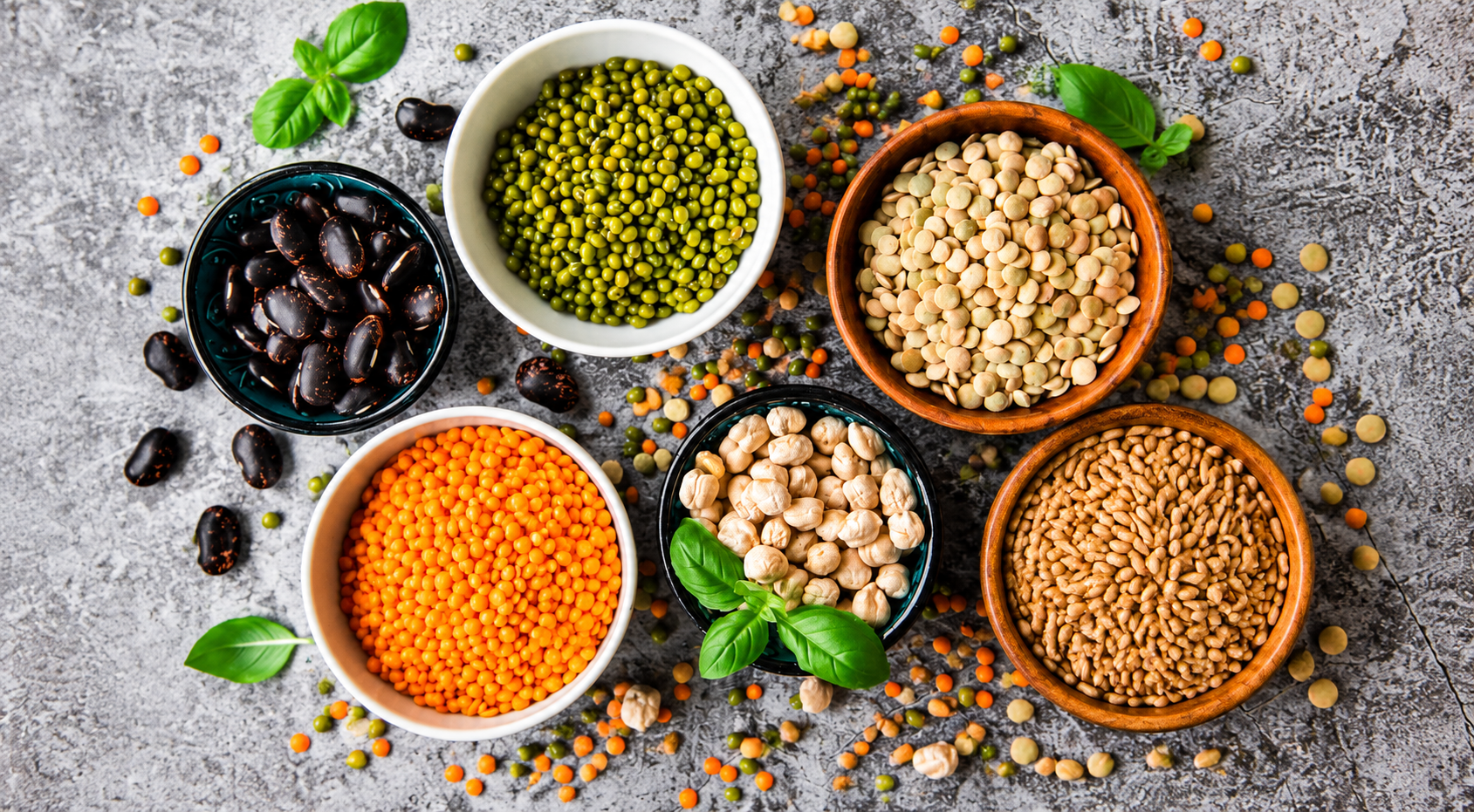
In Ezekiel 4:9, God instructs the prophet Ezekiel to take wheat, barley, beans, lentils, millet, and another grain, translated as spelt in the NIV, and use them to make bread. Rather than being presented as a wellness recipe, the bread appears within a much more serious prophetic message about the coming siege of Jerusalem.
Still, viewed through the lens of what we know about nutrition today, there’s something fascinating about those ingredients. The recipe brings together grains and legumes, two categories of plant foods with complementary nutritional qualities.
And that leads to an interesting question:
What can this ancient biblical bread teach us about nutrition today?
The bread described in Ezekiel 4:9 combines wheat, barley, beans, lentils, millet, and a grain translated differently across some English Bible versions.
Context matters here. Ezekiel wasn’t being handed an ancient wellness trend. The bread was part of a prophetic sign concerning Jerusalem and the scarcity of food its people would experience.
That distinction is important because Ezekiel 4:9 isn't a biblical claim about protein, amino acids, or an ideal diet. But the combination of foods described in the passage gives us an interesting opportunity to look at what modern nutrition science says about grains, legumes, and protein.
Protein is made from building blocks called amino acids. While our bodies can make some amino acids, there are nine that we need to get through food. These are called essential amino acids.
They are histidine, isoleucine, leucine, lysine, methionine, phenylalanine, threonine, tryptophan, and valine.
According to the Harvard T.H. Chan School of Public Health’s Nutrition Source, the body needs these amino acids to make proteins, and they must come from the foods we eat.
You may have also heard the phrase “complete protein.” That doesn't simply mean a food contains a lot of protein. Rather, it refers to a protein source that provides all nine essential amino acids in adequate amounts.
Many animal foods provide complete proteins. Plant foods also contain amino acids, but individual plant protein sources can be relatively low in certain essential amino acids. That's one reason variety can be important in a plant-rich diet.
And that's where the ingredients in Ezekiel 4:9 become especially interesting.
Look at the foods in the passage again. Wheat, barley, millet, and spelt or emmer are grains, while beans and lentils are legumes.
Different plant foods have different amino acid profiles. Grains tend to be lower in certain essential amino acids that legumes provide more readily, while legumes can be lower in amino acids that grains contribute. Eating a variety of plant protein sources helps provide the essential amino acids the body needs.
This is sometimes called complementary protein.
So, does Ezekiel 4:9 tell us that God gave Ezekiel a special recipe containing all nine essential amino acids?
That's not what the biblical text says.
A more accurate and still fascinating observation is that the mixture described in Ezekiel 4:9 combines different plant foods whose amino acid profiles can complement one another as part of a varied diet.
The precise nutritional profile of any bread will depend on its ingredients, proportions, and preparation. Scripture doesn't make a nutritional claim about amino acids, and we don't need to make one on its behalf.
The connection is interesting enough on its own.
Is Modern Ezekiel Bread the Same Bread Ezekiel Ate?Not necessarily.
What we commonly call “Ezekiel bread” today is better understood as bread inspired by Ezekiel 4:9 rather than an exact recreation of what the prophet ate.
Even translations of the biblical passage aren't identical. For example, the NIV identifies the final grain as spelt, while the ESV translates it as emmer.
Modern versions may also use sprouted grains or incorporate ingredients and preparation methods that aren't specified in the biblical account.
So, seeing “Ezekiel 4:9” on a package at the grocery store doesn't necessarily mean you're eating the precise bread described in Scripture thousands of years ago.
What it can do is start an interesting conversation about the foods we choose, and why caring for our bodies matters.
Throughout Scripture, we're reminded that our physical lives matter to God. First Corinthians 6:19–20 teaches believers that the body is a temple of the Holy Spirit and calls us to honor God with our bodies.
For Christians, that gives healthy living a perspective that extends beyond calories, protein, or the latest nutrition trend. Caring for ourselves can be part of thoughtful stewardship, recognizing the body as a gift from God and making choices that help us care for it well.
That principle also resonates with OneShare Health's commitment to accountable, healthy living. As a Christian Health Care Sharing Ministry, OneShare Health brings together Members who share common biblical beliefs, including a commitment to caring for ourselves and one another.
Healthy living doesn't require perfection. It can look like choosing nourishing foods, staying active, getting appropriate care, resting well, and approaching our everyday habits with greater intention.
Sometimes, even an ancient loaf of bread can remind us to be more thoughtful stewards of what God has given us.
Ezekiel 4:9 wasn't written as a modern nutrition guide. Its original purpose was much more serious, pointing toward a difficult period in Israel's history.
Yet thousands of years later, its ingredients can still spark an interesting conversation about whole foods, plant proteins, essential amino acids, and caring for our bodies.
A simple mixture of grains and legumes takes us from an ancient biblical account to a modern understanding of nutrition and ultimately back to a timeless principle: we can approach our health with gratitude, wisdom, and intentionality.
There's also something fitting about a recipe built from different ingredients working together. Community is central to OneShare Health, too. Through Health Care Sharing, Members voluntarily contribute toward one another's Eligible medical expenses, living out the biblical principle of helping bear one another's burdens.
It's one more reminder that we're Better Together, whether we're thinking about our physical well-being, encouraging someone we love, or supporting fellow Members through their health care journeys.
Looking for a faith-based approach to your health care needs? Get a quote and speak with a OneShare Health specialist to find the right Program for you and your family.
Join thousands of families saving up to 50% or more with OneShare Health. Get your free personalized quote in seconds.
"He predestined us for adoption to sonship through Jesus Christ, in accordance with his pleasure and will." — Ephesians 1:5 (NIV) When most people...

As we gather with loved ones this Thanksgiving, it is a time not only for feasting and fellowship but also for reflecting on the blessings that God...
In today’s busy world, it’s easy to let convenience take priority over care, especially when it comes to what we eat. But taking a little extra time...