


The Definition of a Healthy Lifestyle
Living a healthy lifestyle isn’t about chasing perfection—it’s about making intentional choices that support your well-being, one day at a time. It’s...
5 min read
OneShare Health
:
10:30 AM on September 14, 2026
Fall brings plenty to look forward to: cooler temperatures, changing leaves, football weekends, and the return of favorite seasonal foods. It also means spending more time indoors as cold and flu season approaches.
While no single food can magically “boost” your immune system or guarantee you won't get sick, good nutrition helps give your body the nutrients it needs to support healthy immune function. And many of the foods that provide those nutrients fit naturally into fall meals.
Being intentional about what we eat is one simple way to care for our health and the well-being of our families. From colorful produce to hearty soups and easy snacks, here are some nutritious foods to add to your grocery list this fall.
Your immune system is a complex network of cells, tissues, and organs working together to help protect your body. Keeping that system functioning normally isn't about loading up on one particular vitamin or trendy superfood.
Instead, think variety and consistency.
Nutrients including vitamins A, B6, B12, C, D, and E, along with folate, iron, selenium, and zinc, all contribute to normal immune function in different ways. Some help support immune cells, while others help maintain the body's natural protective barriers or act as antioxidants.
According to the National Institutes of Health's guidance on nutrition and healthy immune function, eating a variety of nutritious foods can help provide the vitamins, minerals, and other nutrients your immune system needs.
That makes fall a great time to fill your kitchen with colorful fruits and vegetables, lean proteins, whole grains, nuts, seeds, and other nutrient-rich foods.
1. Citrus FruitsOranges, grapefruits, tangerines, lemons, and limes are well-known sources of vitamin C.
Vitamin C is an essential nutrient and antioxidant that supports normal immune function. It also plays a role in the function of different immune cells and helps protect cells from oxidative stress.
Because your body doesn't make vitamin C on its own, regularly eating foods that contain it is important.
Citrus doesn't have to be limited to a glass of orange juice at breakfast. Add orange slices to a fall salad, squeeze lemon over roasted vegetables or fish, or keep tangerines handy for an easy snack.
2. Bell PeppersCitrus fruits may get most of the attention when people think about vitamin C, but bell peppers are another excellent source.
They're also easy to work into everyday meals. Chop them into salads, add them to eggs, roast them alongside other vegetables, or include them in soups and chili.
For an easy snack, slice raw bell peppers and pair them with hummus.
3. Sweet PotatoesFew foods feel more like fall than sweet potatoes.
Their orange color comes in part from beta-carotene, which the body can convert into vitamin A. Vitamin A contributes to healthy immune function and helps maintain tissues that form some of the body's first protective barriers.
Try roasting cubed sweet potatoes with your favorite seasonings, adding them to a grain bowl, or serving a baked sweet potato alongside a lean protein and green vegetables.
4. PumpkinPumpkin isn't only for pie and coffee.
Like other orange vegetables, pumpkin provides carotenoids that can contribute to your vitamin A intake. It can also be surprisingly versatile in the kitchen.
Try adding plain pumpkin puree to oatmeal or smoothies, making homemade pumpkin soup, or incorporating it into a favorite fall recipe.
Just remember that pumpkin-flavored foods aren't necessarily nutritionally equivalent to pumpkin itself. A heavily sweetened pumpkin treat can still contain plenty of added sugar.
5. Broccoli and Leafy GreensBroccoli, spinach, kale, and other green vegetables make an excellent addition to a fall menu.
Broccoli provides vitamin C along with other nutrients, while dark leafy greens can contribute vitamins, minerals, and beneficial plant compounds to your diet.
The goal doesn't have to be a perfectly planned plate at every meal. Consistently adding more variety and color is a practical way to build healthier eating habits over time.
Try roasting broccoli for an easy side dish, adding spinach to eggs or soup, or building a fall salad with kale, apples, nuts, and your favorite protein.
6. Salmon and Other Fatty FishVitamin D plays an important role in normal immune function, but relatively few foods naturally contain significant amounts of it.
Fatty fish such as salmon and tuna are among the natural food sources of vitamin D. They also provide protein, making them an easy foundation for a balanced meal.
Try oven-roasted salmon with sweet potatoes and broccoli for a nutrient-rich fall dinner that brings several of the foods on this list together.
7. Beans and LentilsBeans and lentils are inexpensive, filling, and perfect for cooler weather.
They provide plant-based protein and nutrients including zinc and iron. Zinc is involved in many aspects of immune function, including the development and activity of immune cells.
Fall is an ideal time to use beans and lentils in soups, stews, chili, and hearty bowls. Keeping canned beans in the pantry can also make nutritious meals easier when you're short on time.
8. Nuts and SeedsA handful of nuts or seeds can make a convenient snack while providing healthy fats, protein, and a variety of vitamins and minerals.
Depending on the variety, nuts and seeds can contribute nutrients such as vitamin E, zinc, selenium, and magnesium. Vitamin E also functions as an antioxidant and plays a role in supporting immune function.
Sprinkle pumpkin seeds over a salad, add nuts to oatmeal, or pair a small handful with a piece of fruit for an easy afternoon snack.
9. Yogurt and Other Nutrient-Rich BasicsA healthy fall grocery list doesn't need to be complicated or filled with specialty foods.
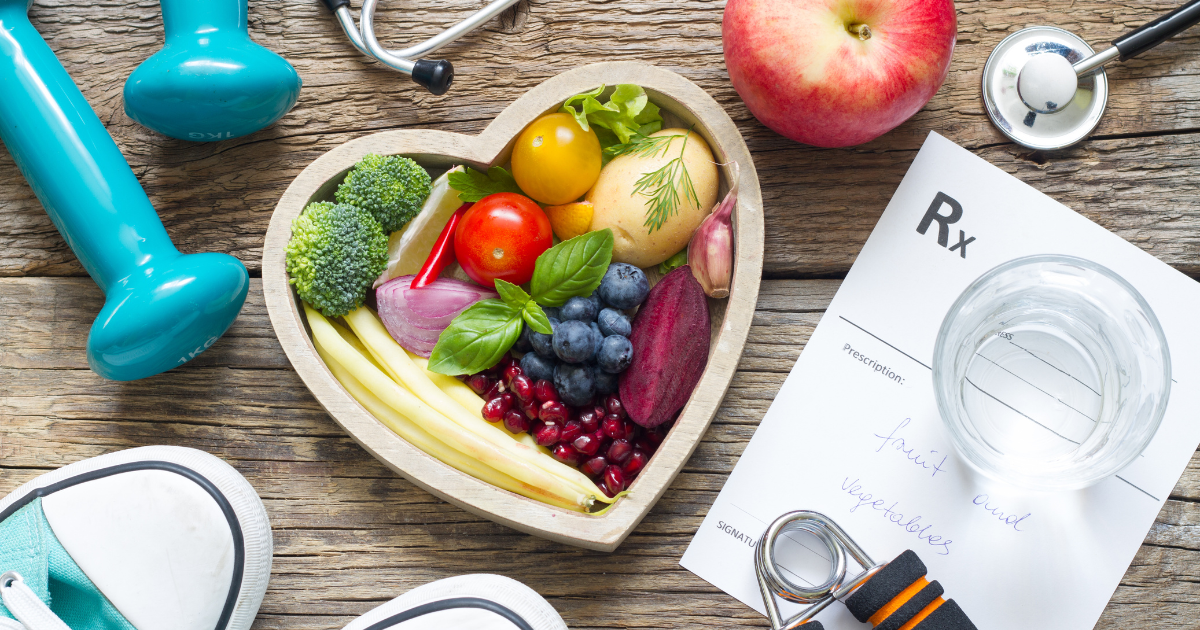
Foods such as yogurt, eggs, whole grains, fruits, vegetables, lean proteins, beans, nuts, and seeds can all contribute to a varied diet.
Instead of searching for one perfect “immune-boosting” food, think about the overall pattern of what you eat. Consistently choosing a variety of nutritious foods matters more than any individual ingredient.
That's good news for busy households. Supporting healthy habits doesn't require chasing every new wellness trend. Often, it starts with simple choices you can realistically make again tomorrow.
You don't need to overhaul your entire kitchen. Start with foods your household already enjoys and add more variety where you can.
A simple fall grocery cart might include oranges, apples, bell peppers, broccoli, spinach, sweet potatoes, pumpkin, salmon, eggs, beans, yogurt, whole grains, nuts, and seeds.
Then think about combinations rather than individual foods.
You might make oatmeal with fruit and nuts for breakfast, lentil soup for lunch, and salmon with roasted sweet potatoes and broccoli for dinner.
Healthy eating can be simple. Small, consistent choices are often easier to maintain than trying to change everything at once.
Nutrition is only one part of caring for your health.
Regular physical activity, adequate sleep, stress management, good handwashing habits, and routine health care all matter, too. Rather than relying on a supplement, drink, or trendy “superfood,” focus on healthy habits you can maintain throughout the season.
It's also worth remembering that more isn't always better when it comes to vitamins and minerals. If you're concerned that you aren't getting enough of a particular nutrient, talk with a health care professional before adding supplements, especially if you take medications or have specific health concerns.
Taking care of yourself doesn't have to mean doing everything perfectly. It can simply mean paying attention to the everyday choices that help support your health so you can continue showing up for the people and responsibilities that matter most.
Fall is a natural time to reset routines, prepare nourishing meals, and become a little more intentional about caring for yourself and your family.
You don't need a perfect diet or a pantry full of expensive wellness products. Adding another vegetable to dinner, reaching for fruit at snack time, preparing a homemade soup, getting enough rest, or taking a walk on a cool afternoon are all small choices that can become meaningful habits.
At OneShare Health, we believe caring for our health and caring for one another go hand in hand. As a Health Care Sharing Ministry, OneShare Health brings Members together around shared values and a community-minded approach to eligible medical needs.
So as you prepare for the season ahead, give yourself permission to keep things simple. Fill your table with nutritious foods you enjoy, build healthy routines you can maintain, and take care of the health you've been given, one choice at a time.
And if you're looking for a faith-based approach to your health care needs that reflects the value of community, get a quote today and speak with a specialist who can help you find the right OneShare Health Program for you and your family.
Join thousands of families saving up to 50% or more with OneShare Health. Get your free personalized quote in seconds.
Living a healthy lifestyle isn’t about chasing perfection—it’s about making intentional choices that support your well-being, one day at a time. It’s...
High blood pressure, or hypertension, is a significant health concern for millions of people. One key factor in managing blood pressure effectively...
For years, many Americans followed nutrition advice that encouraged eating 6 to 11 servings of bread, cereal, rice, and pasta every day. School...